There are two distinct types of retail investors in the market today. The first investor checks their portfolio tracking app—such as Delta, Sharesight, or Yahoo Finance—multiple times a day. They watch real-time net worth fluctuate, riding highs on green days and feeling a spike of anxiety on red ones. They know precisely what their portfolio is worth right now, yet often lack clarity on whether their active decisions are truly outperforming a simple buy-and-hold index fund. The second investor steps back from real-time tickers. Instead, at the end of each month, they export their transaction history from their broker, import it into a transaction journal, and evaluate the performance of completed campaigns. They review entry prices, exit points, and tax liabilities using structured methodologies. Over the long run, the second approach consistently fosters greater discipline and clarity.
In this article, I explore the psychological and analytical differences between passive "portfolio tracking" and disciplined "transaction journaling," and why shifting your perspective can significantly enhance your financial results.
The Illusion of Control: Re-evaluating Portfolio Trackers
Portfolio tracking software has grown rapidly by delivering instantaneous, visually engaging feedback. While these tools are sleek and real-time, serious investors may want to consider several inherent limitations:
- Encouraging Emotional Reactions: Real-time price updates frequently stimulate fear and greed. Monitoring valuations minute by minute makes it easy to react impulsively to temporary dips or chase rallies late in their cycle.
- Obscuring the Full Process: Most portfolio trackers focus almost exclusively on the present moment. They display current holdings and an overall average cost basis, but omit the context of how you arrived there. If you opened a position in an equity, scaled in several times, trimmed gains, and subsequently re-entered, a standard tracker flattens that journey into a single number—masking the true performance of that specific trade cycle.
- Privacy and Data Considerations: Real-time cloud trackers often require connecting exchange API keys or uploading complete transaction sheets to third-party servers. Storing entire transaction histories, balance sizes, and wallet addresses on remote databases can introduce unnecessary security and data privacy risks.
What is Transaction Journaling?
Transaction journaling offers a process-driven alternative. Instead of asking, "What is my portfolio worth right now?" a transaction journal prompts you to ask: "How did my investment decisions perform throughout their lifecycle, and how can I refine my next move?" Rather than passive observation, journaling centers on an essential concept: Transaction Groups.
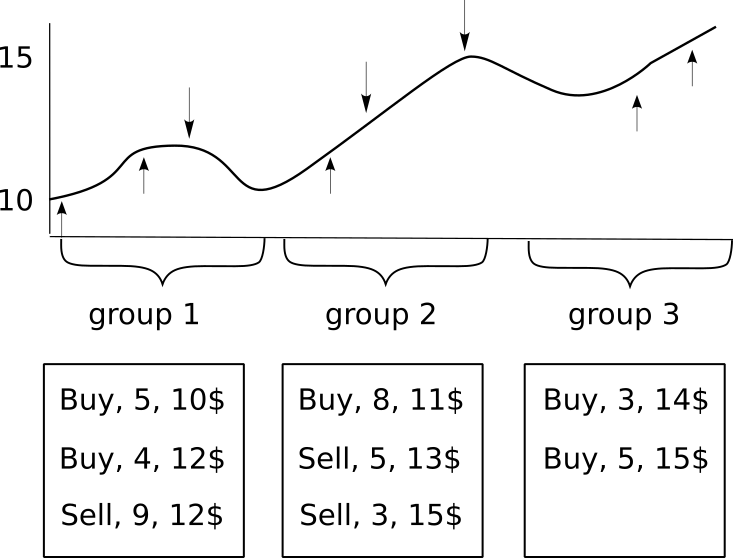
A transaction group represents the complete lifecycle of a single investment decision. It begins when you open a position, encompasses additions as you build that position, and concludes when the position is fully closed. By organizing transactions this way, you can clearly distinguish long-term holdings from tactical trades and evaluate the net profitability of each distinct campaign. Were gains eroded by fees or premature exits? A standard tracker cannot easily clarify this; a structured transaction journal can.
Journaling introduces intentional friction. Exporting a broker's CSV and reviewing it in a journal requires deliberate effort. Yet, this friction is one of its greatest advantages.
Importing transactions invites structured reflection:
- Did this trade align with my predefined entry criteria?
- Could commission costs have been minimized by sizing orders differently?
- Which tax optimization strategy (FIFO vs. LIFO) best serves my current circumstances?
This mindful pause creates a helpful buffer, encouraging calm analysis over impulsive execution.
Why I Built TransCalc
I created TransCalc to provide a dedicated transaction journal for investors who prioritize performance review, tax optimization, and data privacy. TransCalc focuses on several core principles:
- LIFO & FIFO Optimization: TransCalc calculates capital gains and estimates tax obligations using both FIFO (First-In, First-Out) and LIFO (Last-In, First-Out) methods, helping you understand how different accounting approaches influence your tax liability.
- Automatic Transaction Grouping: TransCalc automatically identifies and groups transaction cycles for each asset, enabling thorough performance analysis across individual investment campaigns.
Conclusion: Elevating Your Investment Process
To cultivate better long-term outcomes, consider stepping back from constant price-checking and shifting toward periodic, deliberate review. Instead of sharing sensitive financial activity across cloud services for fleeting updates, consider treating your portfolio management with the rigor of a professional operation. Export your transaction records, inspect your transaction groups within a local journal, and evaluate your tax strategies objectively. A more deliberate approach will serve your portfolio well.
Meta Discover why transaction journaling offers a more disciplined, privacy-focused alternative to real-time portfolio tracking for thoughtful investors.